- About
- Hair Transplants
-
Causes
- Procedures
- Treatments
- Before/Afters
- Financing
- FREE Consult
- Search Site

Calgary’s Leading Experts in Hair Loss
Discover the Real Causes of Hair Loss and the Treatment Options That Actually Work
10+ Years in Practice | Advanced Hair Restoration Protocols | Calgary’s Premier Hair Restoration Clinic
Hair loss is not a cosmetic issue, it is a medical signal, and the only way to treat it correctly is to identify the true cause. The most common drivers of shedding and thinning in men and women include hereditary hair loss (androgenetic alopecia driven by DHT sensitivity), hormonal disruption (thyroid conditions, menopause-related changes, postpartum shifts), inflammation, and nutrient or metabolic deficiencies that interrupt the growth cycle. Many patients are also affected by chronic stress patterns, illness, major weight change, or medication-related shedding, which can force follicles into a prolonged shedding phase (telogen effluvium).
Scalp health is equally critical and often overlooked. Conditions such as seborrheic dermatitis, psoriasis, folliculitis, and traction-related damage from tight hairstyles or extensions can accelerate loss and compromise follicle integrity. Autoimmune disorders, including alopecia areata and scarring alopecias, require prompt diagnosis to prevent permanent follicle damage.
At HairNation, we take a medical-grade approach to hair restoration. Through comprehensive assessment, diagnostic insight, and customized treatment planning, we identify what is driving your hair loss and build a strategy to stabilize progression, protect long-term follicle health, and restore density with evidence-based therapies and advanced restoration options.
Hormonal imbalances are among the most frequent and underdiagnosed causes of hair loss in both men and women. When hormones such as DHT, a byproduct of testosterone, rise above optimal levels, they can disrupt the natural growth cycle of the hair follicle. Over time, this leads to thinning, receding hairlines, or widespread shedding, impacting both appearance and confidence.
At HairNation, we take a physician-led, diagnostic approach to determine whether hormones are contributing to your hair loss. Through advanced testing and scalp analysis, our medical team identifies the underlying hormonal imbalances limiting follicle activity and hair density.
Once the cause is established, a personalized treatment protocol is developed to restore equilibrium. This may include topical or oral therapies, platelet-rich plasma (PRP), or regenerative medical treatments designed to stimulate dormant follicles and strengthen existing growth.
Our goal is to deliver results that look natural, feel authentic, and age gracefully. Every plan is customized to your biology, lifestyle, and aesthetic goals, ensuring thicker, healthier hair and renewed confidence through precision-driven medical care.
Alopecia is a medical condition that causes sudden or progressive hair loss and can affect both men and women at any age. Unlike genetic thinning, alopecia is driven by an immune response that mistakenly targets healthy hair follicles, disrupting the normal hair growth cycle. When this occurs, follicles may become inflamed and enter a dormant phase, resulting in patchy or more extensive hair loss on the scalp or body.
At HairNation, we approach alopecia through medical precision and individualized clinical care. Alopecia can present in several forms, from small localized areas to more widespread involvement, and successful treatment depends on accurately identifying the type, severity, and underlying triggers affecting each patient. Importantly, hair follicles often remain alive beneath the surface, meaning regrowth is possible with timely and appropriate intervention.
Our focus extends beyond treating hair loss alone. We are committed to restoring confidence through evidence-based solutions, combining advanced diagnostics with customized treatment protocols designed to support follicle recovery and long-term scalp health. Patients are guided with clarity, reassurance, and expert oversight at every stage of their care by specialists who understand both the science and the emotional impact of alopecia-related hair loss.
Hair health is directly influenced by nutritional status. Nutritional deficiencies are a clinically significant and frequently overlooked cause of hair loss, particularly in individuals experiencing rapid weight changes, restrictive dieting, eating disorders, or chronic nutrient imbalance.
When the body lacks essential vitamins, minerals, and protein, it prioritizes vital organ function. Hair growth is often one of the first processes to slow or stop, leading to increased shedding, diffuse thinning, or stalled regrowth.
At HairNation, we recognize that hair loss caused by nutritional deficiencies is physiological, not cosmetic. Deficiencies in iron, protein, zinc, biotin, vitamin D, and B-complex vitamins can disrupt the hair growth cycle and contribute to conditions such as telogen effluvium and chronic thinning. These deficiencies are frequently compounded by physical and emotional stress, further signaling the body to conserve energy and suppress hair production.
Our approach begins with treating the individual, not just the scalp. Through detailed assessment, medical insight, and personalized treatment planning, we identify nutritional factors contributing to hair loss and guide patients toward sustainable correction. Whether shedding is temporary or ongoing, restoring nutritional balance is often a foundational step toward stronger hair, improved density, and long-term confidence.
Aging-related hair loss is a progressive, biologically driven process influenced by changes in the hair growth cycle, follicular miniaturization, and declining cellular regeneration over time. As individuals age, hair follicles gradually spend less time in the active growth phase, resulting in finer hair shafts, reduced density, and slower regrowth. This form of hair loss typically presents as diffuse thinning and loss of volume rather than abrupt shedding, often advancing subtly over years.
From a clinical perspective, age-related hair loss is closely linked to alterations in follicular stem cell activity, reduced blood supply to the scalp, and cumulative genetic and hormonal influences. While this process is common, it is not irreversible nor should it be passively accepted. Early identification and medically guided intervention play a critical role in preserving existing hair and maintaining scalp health.
At HairNation, we approach aging-related hair loss through comprehensive diagnostic assessment and evidence-based treatment planning. By evaluating follicular health, growth patterns, and individual risk factors, we design personalized strategies aimed at slowing progression, strengthening weakened follicles, and supporting long-term hair density. Our philosophy prioritizes medical precision, natural aesthetics, and sustainable outcomes, helping patients maintain stronger, healthier, and more resilient hair as they age.
Hair loss related to anabolic steroid use is driven by hormonal disruption, most notably elevated androgen levels that can accelerate genetic hair loss and weaken vulnerable follicles. In individuals with underlying sensitivity, anabolic steroids may rapidly intensify follicle miniaturization, leading to diffuse thinning, increased shedding, and early density loss if not addressed properly.
At HairNation, we approach steroid-related hair loss as a medically influenced condition, not a cosmetic concern. Our team evaluates how hormonal changes are affecting the hair growth cycle, scalp health, and follicle viability to determine whether hair loss is reversible, stabilizable, or progressing toward permanent loss. This diagnostic-first approach allows us to intervene strategically, rather than reactively.
Medical stabilization is the foundation of effective hair restoration in cases involving anabolic steroids. Attempting advanced treatments without first addressing hormonal impact can compromise outcomes and increase long-term risk. When appropriate, treatment plans may include physician-guided medical therapies, regenerative support, and long-term preservation strategies designed to protect existing hair and support healthy regrowth.
Every plan is individualized, discreet, and evidence-based, with careful consideration given to current or past steroid exposure, genetic predisposition, and long-term follicle health. Our priority is to deliver results that are not only visible, but safe, sustainable, and aligned with long-term hair preservation.
Hair loss related to autoimmune conditions occurs when the immune system mistakenly targets hair follicles, disrupting normal growth and triggering shedding or patchy hair loss. Conditions such as alopecia areata and other immune-mediated disorders may affect the scalp, eyebrows, beard, or body hair and can appear suddenly or progress unpredictably. While this type of hair loss can feel alarming, it is often manageable with accurate diagnosis and timely medical intervention.
At HairNation, we take a diagnostic-first approach to autoimmune-related hair loss. Our clinicians focus on identifying the underlying immune response and assessing its impact on follicle health, disease activity, and individual hair loss patterns. Treatment is never generic. Each plan is carefully tailored based on the specific condition, severity, and stage of hair loss to ensure both safety and effectiveness.
This service is designed for individuals experiencing patchy hair loss, rapid shedding, or recurrent episodes linked to autoimmune activity. Through targeted medical therapies, regenerative support, and close clinical monitoring, our goal is to reduce inflammation, protect viable follicles, and encourage regrowth where possible. Just as importantly, we provide long-term guidance and support so patients feel confident in both the process and their care.
Medication-related hair loss is more common than many people realize and often occurs after starting, stopping, or changing certain prescriptions. In many cases, medications can disrupt the normal hair growth cycle, pushing follicles into a resting phase (telogen) and triggering sudden or diffuse shedding weeks to months later. In other situations, medications may accelerate an underlying tendency toward pattern hair loss, making thinning more noticeable over time.
At HairNation, we approach medication-related hair loss with medical precision and diagnostic clarity. Our priority is to identify whether hair loss is temporary and reversible, progressive, or the result of overlapping factors such as hormonal imbalance, nutrient deficiency, thyroid dysfunction, or inflammation. Understanding timing, dosage changes, and contributing health conditions allows us to determine the true driver of shedding rather than relying on assumptions.
Not all medication-related hair loss requires intervention, but early evaluation plays a critical role in protecting follicle health and preventing unnecessary density loss. When appropriate, care plans focus on stabilizing shedding, supporting the growth phase, and strengthening existing follicles while coordinating safely with your prescribing provider.
This service is ideal for individuals noticing sudden shedding, overall thinning, or changes in hair quality following medication changes. With advanced diagnostics, individualized care, and ongoing monitoring, we help patients regain control of their hair health with realistic expectations and long-term confidence.
Lifestyle-related hair loss is not simply cosmetic. In many patients, it reflects underlying physiological stress and systemic imbalance that disrupt the hair growth cycle and compromise follicular health. At HairNation, we frequently identify lifestyle factors as primary contributors or accelerators of hair thinning and excessive shedding.
Chronic stress, smoking, excessive alcohol intake, poor nutrition, and inflammatory habits place sustained strain on the body. When the body remains in a prolonged stress state, it prioritizes vital systems and diverts resources away from hair growth, causing follicles to prematurely exit the growth phase and enter a resting or shedding phase. Over time, this leads to diffuse thinning, reduced density, and visible hair loss.
Lifestyle-induced inflammation further compounds this process. Inflammation can impair scalp circulation, limit nutrient delivery, and intensify follicular miniaturization, worsening both male and female pattern hair loss, even in individuals without a strong genetic predisposition.
Without proper medical evaluation, lifestyle-related hair loss is often misattributed to aging or genetics alone. Left unaddressed, it can progress and reduce the effectiveness of future treatments.
At HairNation, lifestyle-related hair loss is assessed through a physician-guided diagnostic process. Contributing stressors, inflammatory patterns, and nutritional or hormonal disruptions are identified and addressed alongside medical and regenerative therapies, ensuring hair follicles are stabilized, supported, and protected for long-term hair health.
Menopause-related hair loss is one of the most common and misunderstood causes of hair thinning in women. Rather than occurring suddenly, it develops gradually as hormonal shifts alter the hair growth cycle and increase follicle sensitivity. At HairNation, we treat menopause-related hair loss as a medical condition, not a cosmetic concern, requiring accurate diagnosis and a personalized treatment strategy.
Declining levels of estrogen and progesterone shorten the anagen (growth) phase of the hair cycle, causing hair to grow thinner, shed more easily, and regenerate more slowly. As protective hormones decrease, androgens exert a stronger influence, binding to genetically susceptible follicles and triggering progressive miniaturization. This commonly presents as diffuse thinning, most noticeable along the part line and crown.
Because menopause-related hair loss frequently overlaps with female pattern hair loss, proper diagnosis is critical. Our physician-led assessments evaluate hormonal history, genetic predisposition, scalp health, and shedding patterns to determine the true underlying cause. Treatment is designed to stabilize shedding, protect vulnerable follicles, and support long-term regrowth, using evidence-based medical and regenerative therapies tailored to each patient.
Metabolic issues are a clinically significant and frequently underdiagnosed cause of progressive hair loss. Conditions such as insulin resistance, diabetes, dyslipidemia, hypertension, and chronic metabolic imbalance disrupt the body’s internal regulation and often affect hair follicles early due to their sensitivity to changes in circulation, nutrient delivery, and hormonal signaling.
Metabolic syndrome and related conditions impair blood flow, oxygenation, and nutrient transport to the scalp while increasing systemic inflammation. Over time, this environment weakens follicles, shortens the hair growth cycle, and accelerates diffuse thinning across the scalp. Many individuals experience ongoing hair loss without recognizing the metabolic contribution, leading to delayed diagnosis and preventable progression.
At HairNation, metabolic-related hair loss is approached through medical insight, early identification, and individualized strategy. By evaluating how chronic metabolic stress affects the scalp environment and follicle function, we guide patients toward care plans that support stabilization, restoration, and long-term hair health by addressing both visible thinning and the underlying physiological drivers.
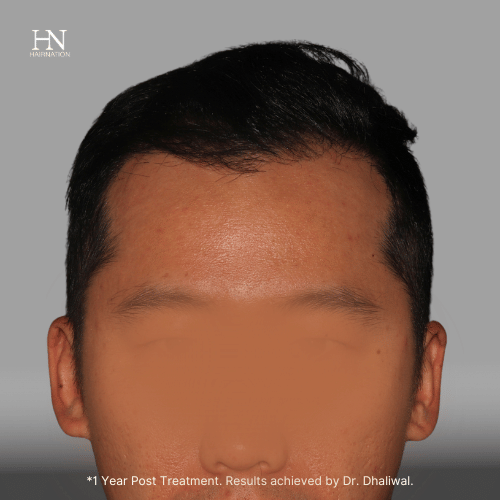
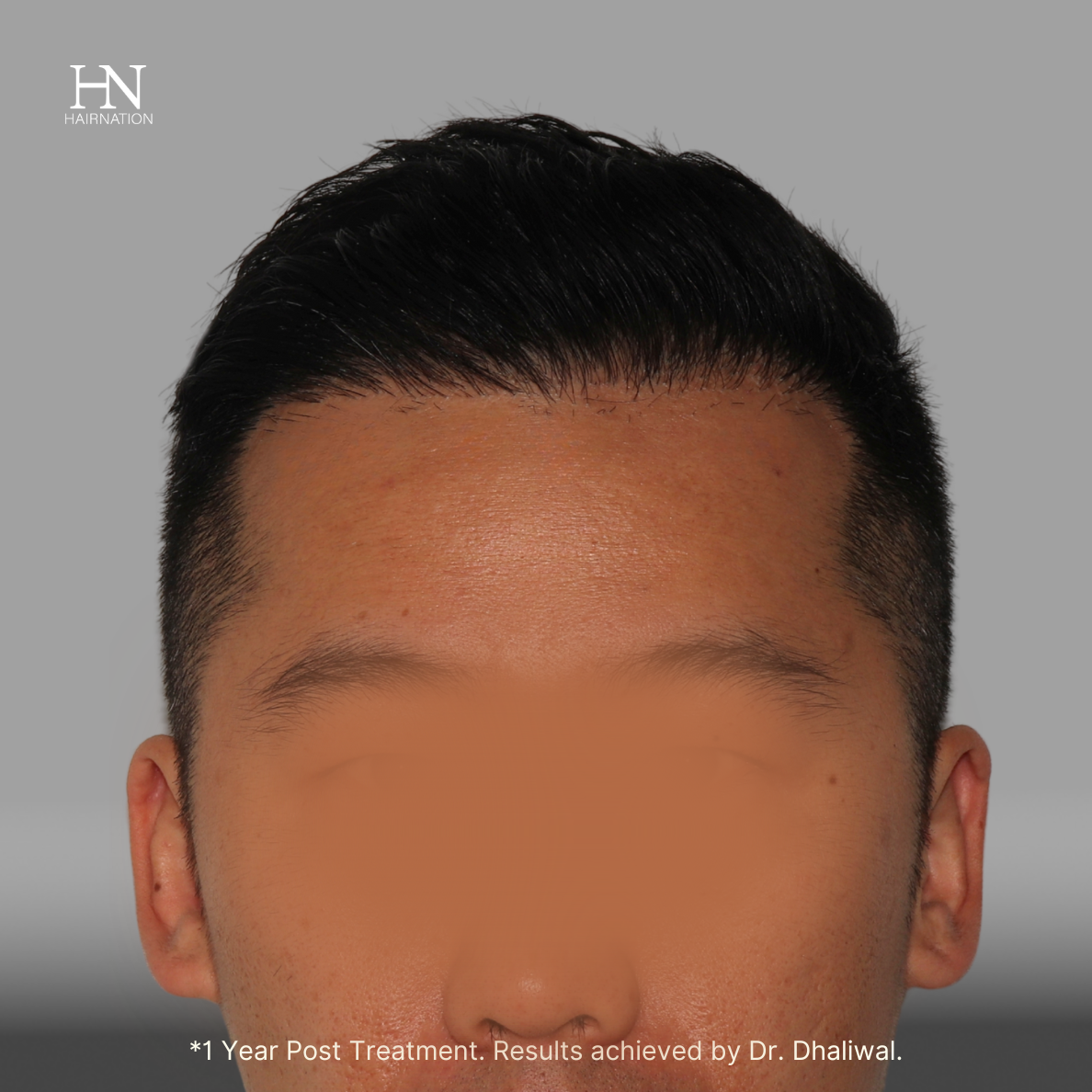
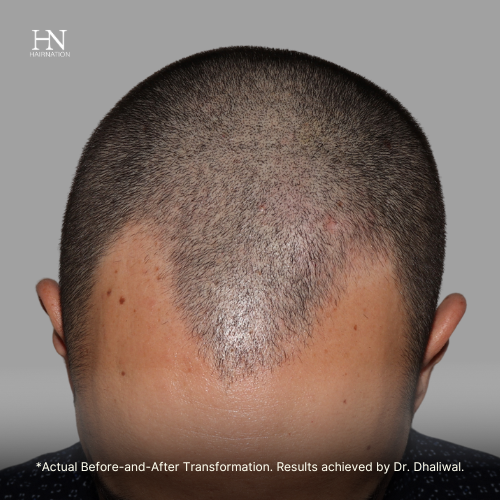
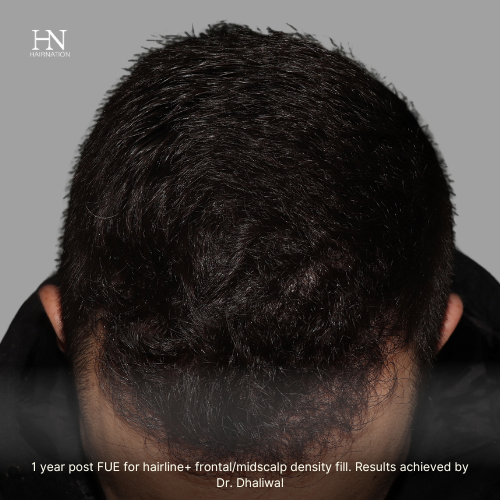
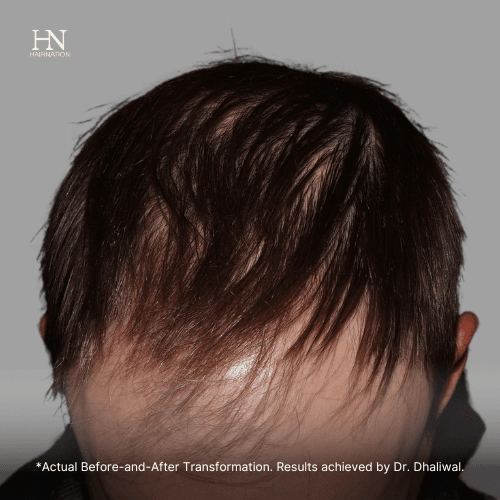
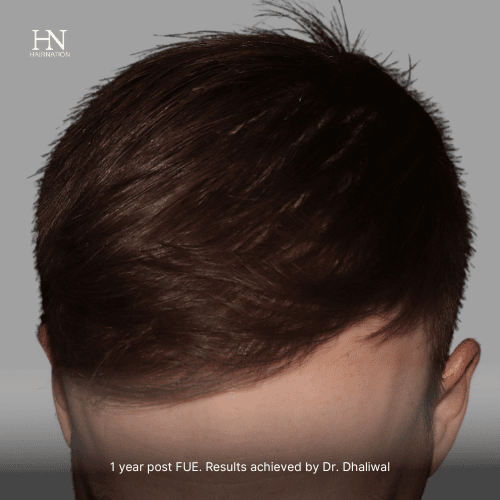
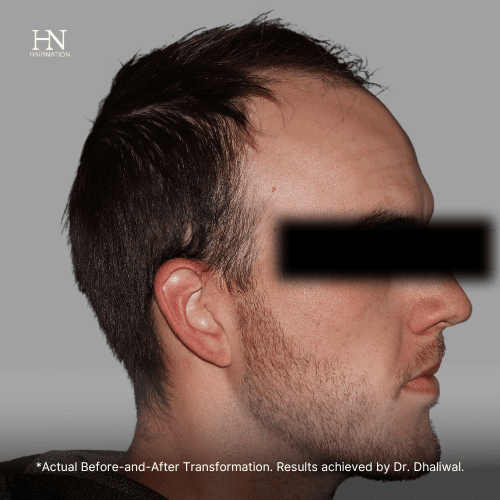
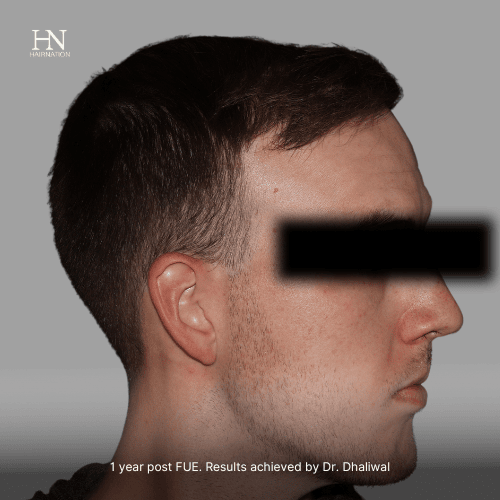
Hair loss is not something you have to accept. Effective and lasting solutions for hair loss for men and women are available. Through a comprehensive consultation, HairNation delivers accurate and insightful diagnosis and advanced hair restoration treatment strategies to guide you on your journey to complete and transformative hair restoration.
Contact us today by filling out the contact form below or by calling us at 1 (587) 952-8844. Complimentary virtual consultations are available for those inquiring about hair transplants, and for all other hair loss inquiries, complimentary in-person consultations are available.
HAIR TRANSPLANT CALGARY | HAIR LOSS CALGARY | WHY AM I LOSING MY HAIR? | HAIR LOSS CAUSES

With a rigorous consultation and intake protocol, the HairNation team is committed to an accurate and insightful diagnosis of your hair loss to inform your customized and effective treatment strategy to address hair loss. With the most advanced technologies and techniques, state-of-the-art facilities, and a team of hair restoration experts, your journey to hair transformation begins here.