- About
- Hair Transplants
-
Causes
- Procedures
- Treatments
- Before/Afters
- Financing
- FREE Consult
- Search Site

Calgary’s Leading Experts in Hair Loss
Medication-Related Hair Loss Occurs When Certain Prescriptions Disrupt the Normal Hair Growth Cycle, Leading to Increased Shedding or Thinning
10+ Years in Practice | Advanced Hair Restoration Protocols | Calgary’s Premier Hair Restoration Clinic
Medication-related hair loss is more common than many people realize and often occurs after starting, stopping, or changing certain prescriptions. In many cases, medications can disrupt the normal hair growth cycle, pushing follicles into a resting phase (telogen) and triggering sudden or diffuse shedding weeks to months later. In other situations, medications may accelerate an underlying tendency toward pattern hair loss, making thinning more noticeable over time.
At HairNation, we approach medication-related hair loss with medical precision and diagnostic clarity. Our priority is to identify whether hair loss is temporary and reversible, progressive, or the result of overlapping factors such as hormonal imbalance, nutrient deficiency, thyroid dysfunction, or inflammation. Understanding timing, dosage changes, and contributing health conditions allows us to determine the true driver of shedding rather than relying on assumptions.
Not all medication-related hair loss requires intervention, but early evaluation plays a critical role in protecting follicle health and preventing unnecessary density loss. When appropriate, care plans focus on stabilizing shedding, supporting the growth phase, and strengthening existing follicles while coordinating safely with your prescribing provider.
This service is ideal for individuals noticing sudden shedding, overall thinning, or changes in hair quality following medication changes. With advanced diagnostics, individualized care, and ongoing monitoring, we help patients regain control of their hair health with realistic expectations and long-term confidence.
Medication-related hair loss requires a precise, medically informed approach that prioritizes safety, accuracy, and follicle preservation. Unlike cosmetic thinning, medication-induced hair loss is often tied to specific timing, dosage changes, and underlying biological responses that must be correctly identified before any intervention is considered.
At HairNation, our philosophy centers on clinical assessment, individualized planning, and long-term hair health, not assumptions or one-size-fits-all solutions. By understanding the root trigger and how it affects the hair growth cycle, we are able to guide patients through stabilization with clarity and confidence.
Every patient begins with a confidential, in-depth medical consultation focused on identifying whether hair loss is truly medication-related or influenced by overlapping factors. We carefully review medication history, recent dose changes, timing of hair loss onset, and relevant health events. When appropriate, laboratory data is incorporated to assess contributing conditions such as hormonal imbalance, iron deficiency, thyroid dysfunction, or inflammation.
This diagnostic process allows us to determine:
Our goal is to ensure all care decisions are clinically appropriate, evidence-based, and outcome-driven, rather than reactive or purely cosmetic.
Care plans for medication-related hair loss are customized and measured, with an emphasis on stabilizing the hair cycle and protecting existing follicles. When intervention is appropriate, strategies may focus on reducing active shedding, supporting the growth phase, and improving scalp and follicle resilience.
Any recommendations are carefully coordinated, particularly when medication adjustments involve a prescribing provider. The priority is always patient safety, predictability of outcomes, and long-term hair preservation rather than aggressive or unnecessary treatment.
Outcomes vary based on the medication involved, duration of exposure, and individual biological response. In many cases, patients notice reduced shedding within 8–12 weeks once the trigger is addressed and the hair growth cycle begins to normalize. Visible improvements in density and hair quality typically develop gradually over several months.
Early evaluation plays a critical role in optimizing outcomes. Prompt identification and stabilization significantly improve the likelihood of recovery, while delayed assessment may limit regrowth potential in susceptible follicles.
Most patients experience minimal disruption to daily activities. Ongoing follow-up allows us to monitor progress, adjust care plans as needed, and provide supportive aftercare recommendations that align with changes in health status or medications.
Long-term success depends on continued monitoring and proactive management, particularly for individuals with complex medical histories or recurring triggers.
HairNation specializes in medically complex and trigger-driven hair loss, where accuracy matters more than aesthetics. Our team is experienced in distinguishing temporary shedding from progressive thinning and identifying when medication-related hair loss overlaps with hormonal, genetic, or inflammatory conditions.
We provide discreet, physician-guided care grounded in science, clinical judgment, and individualized attention—ensuring every decision supports safe, effective, and sustainable hair health outcomes.
When appropriate, care strategies may be combined to address multiple contributing factors simultaneously. This integrated approach supports faster stabilization, stronger regrowth potential, and long-term preservation of hair density, while maintaining medical oversight at every stage.
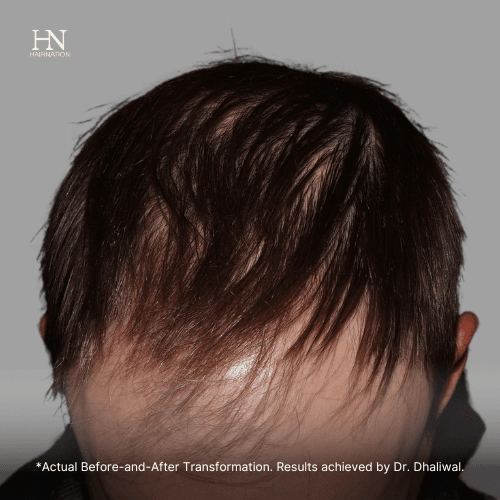
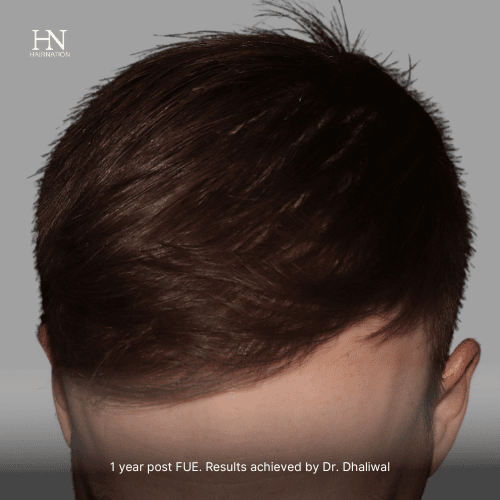
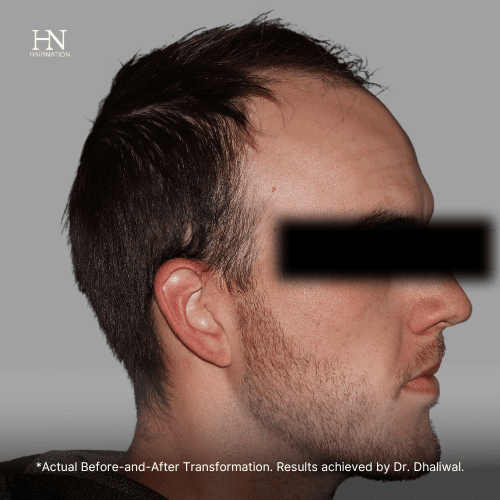
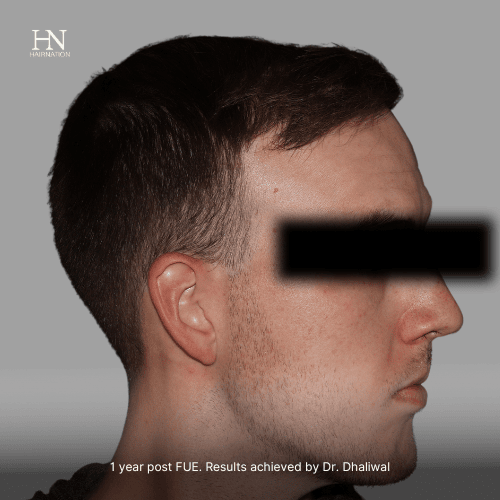
A range of medications can contribute, including some hormones, antidepressants, blood pressure medications, acne treatments, and others. Your consultation helps clarify likely triggers.
Often it’s temporary and reversible, but it depends on the medication, duration, and whether it triggered underlying pattern hair loss.
Not without medical guidance. We can coordinate with your prescribing provider to explore safe options and supportive treatments.
In many cases, yes. Treatment can support the hair cycle and reduce shedding while maintaining overall health priorities.
Hair loss is not something you have to accept. Effective and lasting solutions for hair loss for men and women are available. Through a comprehensive consultation, HairNation delivers accurate and insightful diagnosis and advanced hair restoration treatment strategies to guide you on your journey to complete and transformative hair restoration.
Contact us today by filling out the contact form below or by calling us at 1 (587) 952-8844. Complimentary virtual consultations are available for those inquiring about hair transplants, and for all other hair loss inquiries, complimentary in-person consultations are available.
MEDICATION-RELATED HAIR LOSS CALGARY | MEDICAL HAIR RESTORATION | HAIR NATION

With a rigorous consultation and intake protocol, the HairNation team is committed to an accurate and insightful diagnosis of your hair loss to inform your customized and effective treatment strategy to address hair loss. With the most advanced technologies and techniques, state-of-the-art facilities, and a team of hair restoration experts, your journey to hair transformation begins here.