- About
- Hair Transplants
-
Causes
- Procedures
- Treatments
- Before/Afters
- Financing
- FREE Consult
- Search Site

Calgary’s Leading Experts in Hair Loss
Expert Care for Disease-Related Hair Loss Through Medical Stabilization, Accurate Diagnosis, and Long-Term Hair Restoration Planning.
10+ Years in Practice | Advanced Hair Restoration Protocols | Calgary’s Premier Hair Restoration Clinic
Hair loss is not always cosmetic. In many cases, it is a visible indicator of an underlying medical condition that must be properly identified and managed before meaningful regrowth can occur. Disorders such as iron deficiency anemia, thyroid imbalances, uncontrolled diabetes, and other systemic health issues can interfere with the hair growth cycle, leading to diffuse thinning, excessive shedding, and poor follicle recovery.
At HairNation, we approach medically related hair loss with a diagnostic-first philosophy. Our specialists evaluate scalp health, hair density, shedding patterns, and relevant medical history to determine whether an underlying condition is contributing to hair loss. This step is essential, as successful hair restoration begins with medical clarity and physiological stability, not cosmetic intervention alone.
Patients experiencing unexplained or progressive hair loss often report accompanying symptoms such as fatigue, hormonal changes, or chronic health concerns. Rather than treating hair loss in isolation, our team emphasizes comprehensive pre-treatment assessments to ensure the body is optimized before any advanced restoration strategy is introduced.
Because hair restoration procedures are medical in nature, patient safety and long-term outcomes always come first. Conditions such as anemia or thyroid disease must be stabilized to reduce ongoing shedding, support proper healing, and protect follicle viability. By combining medical insight with advanced hair restoration expertise, HairNation delivers results that are thoughtful, sustainable, and grounded in clinical excellence.
Hair loss caused by underlying medical conditions is fundamentally different from genetic or lifestyle-related thinning. In these cases, hair loss is often a visible indicator of systemic imbalance, not the primary problem itself. At HairNation, we approach medically influenced hair loss with a diagnostic-first philosophy focused on identifying, stabilizing, and managing the root cause before any advanced hair restoration is considered.
Conditions such as iron deficiency anemia, thyroid disorders, metabolic dysfunction, and chronic disease states can disrupt oxygen delivery, hormone regulation, and cellular energy production. These disruptions interfere with the hair growth cycle, leading to diffuse thinning, increased shedding, delayed regrowth, and compromised follicle resilience. Attempting hair restoration without addressing these factors can result in poor outcomes and unnecessary intervention.
Our approach is deliberate and physician-guided: optimize the body first, then restore the hair.
Every patient begins with a comprehensive medical consultation designed to identify whether hair loss is being driven or influenced by an underlying health condition. We assess hair loss patterns, scalp health, medical history, symptom progression, and relevant laboratory data when appropriate.
This evaluation allows our team to determine:
This level of assessment ensures treatments are both safe and clinically appropriate, not rushed or purely cosmetic.
Hair loss related to medical conditions is often diffuse and potentially reversible once stabilized. In many patients, shedding improves and regrowth begins after correcting iron deficiency, balancing thyroid hormones, or addressing metabolic dysfunction.
When hair transplantation or advanced restoration is appropriate, it is performed only after medical stability is achieved. This protects follicle survival, supports proper healing, and reduces the risk of continued post-treatment shedding. Our treatment plans are structured to evolve alongside the patient’s health, ensuring outcomes that are sustainable and predictable.
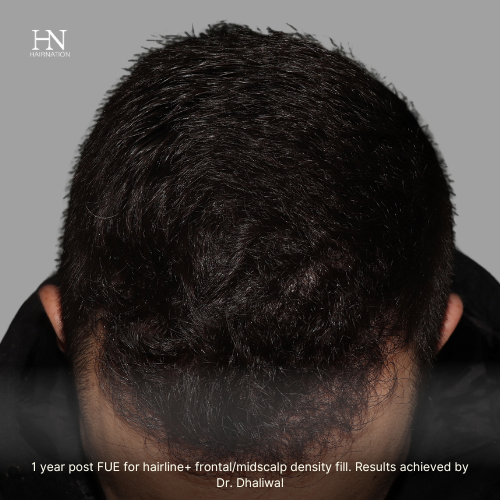
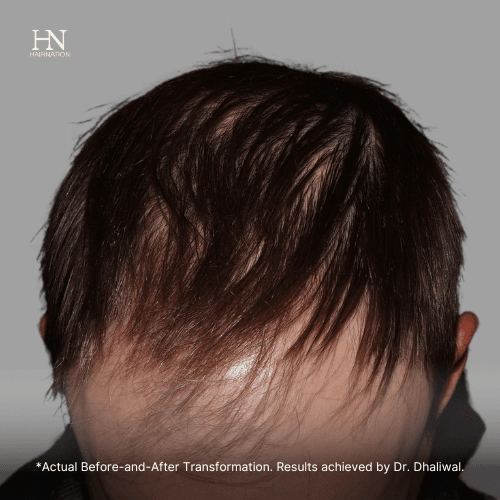
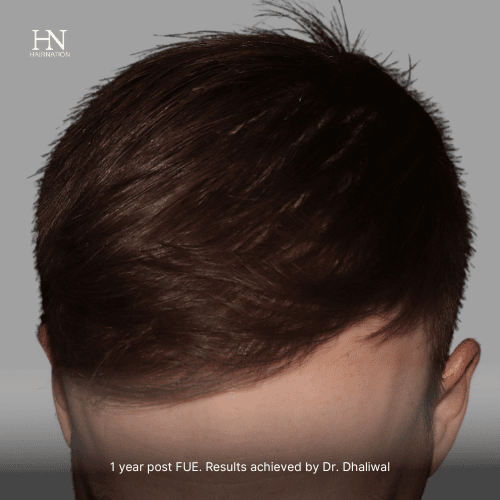
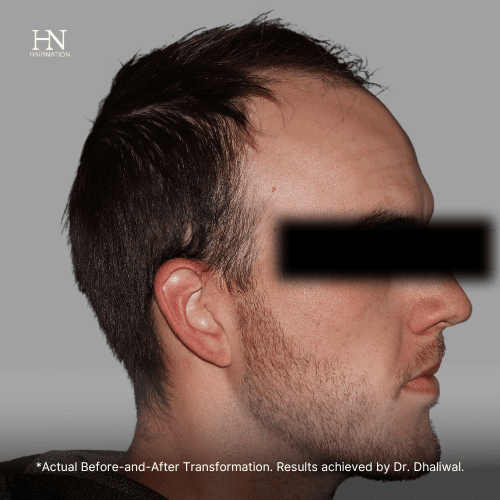
Once medical conditions are properly managed, hair growth typically improves gradually. Reduced shedding may be observed within several months of stabilization, while visible regrowth follows the natural hair growth cycle. Transplanted hair, when performed, progresses through standard phases with visible results around 3–4 months and full maturation by approximately 12 months.
Timelines vary based on the condition involved, duration of imbalance, and individual response to treatment.
Patients with well-managed medical conditions generally experience predictable healing and recovery. Ongoing follow-up is essential to monitor both scalp response and systemic health, ensuring treatment plans remain aligned as medical conditions evolve.
HairNation provides structured aftercare designed to support long-term density, graft survival, and overall follicle health.
HairNation specializes in medically influenced and disease-related hair loss, where accurate diagnosis and clinical judgment directly impact outcomes. Our approach prioritizes medical stability, patient safety, and evidence-based decision-making before any advanced hair restoration is considered. Through physician-led assessments, individualized treatment planning, and refined surgical expertise, we ensure results that are not only natural in appearance, but safe, predictable, and sustainable over time.
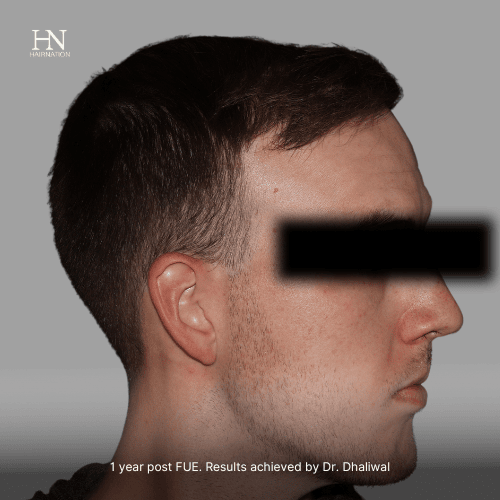
Yes. Iron deficiency anemia reduces oxygen delivery to hair follicles, leading to shedding and weakened regrowth. Hair often improves once iron levels are corrected.
Uncontrolled hyperthyroidism or hypothyroidism can cause ongoing hair loss and poor healing. Stabilization is essential before considering transplantation.
Absolutely. Addressing the underlying condition ensures better hair retention, safer surgery, and long-term success.
In many cases, yes. Once the condition is managed, hair growth may improve significantly without surgical intervention.
Hair loss is not something you have to accept. Effective and lasting solutions for hair loss for men and women are available. Through a comprehensive consultation, HairNation delivers accurate and insightful diagnosis and advanced hair restoration treatment strategies to guide you on your journey to complete and transformative hair restoration.
Contact us today by filling out the contact form below or by calling us at 1 (587) 952-8844. Complimentary virtual consultations are available for those inquiring about hair transplants, and for all other hair loss inquiries, complimentary in-person consultations are available.
Medical Conditions & Hair Loss | HairNation Calgary | Expert Hair Restoration Care

With a rigorous consultation and intake protocol, the HairNation team is committed to an accurate and insightful diagnosis of your hair loss to inform your customized and effective treatment strategy to address hair loss. With the most advanced technologies and techniques, state-of-the-art facilities, and a team of hair restoration experts, your journey to hair transformation begins here.